
Local restaurant marketing starts with being easy to choose
Restaurants do not need more marketing activity for the sake of activity. They need more reasons for the right guest to choose them today, this weekend, or the next time a dining occasion comes up.
That is the standard every marketing channel should meet. A post can look great and still do nothing. An email can reach thousands of people and still fail to create a visit. A promotion can generate traffic and still destroy margin. Strong restaurant marketing connects visibility to a clear reason to act.
Own the local search moment
For many guests, the decision begins with a search rather than a social feed. They look for Italian food nearby, happy hour, private dining, pizza, brunch, catering, or a place to watch a game. The restaurant that presents the clearest, most credible answer has an advantage before the guest ever reaches the website.
That makes the Google Business Profile a core marketing asset. Keep hours, menus, categories, photos, links, and special information accurate. Build a steady review process and reply to reviews professionally. Google itself notes that reviews can help a business stand out and provide useful information to potential customers. That makes review management both a reputation function and a visibility function.
Use social media as a reminder engine
Social media works best for restaurants when it keeps the brand familiar. Guests should regularly see the food, atmosphere, people, events, promotions, and reasons to return. The goal is not to publish a perfect piece of creative every day. The goal is to remain visible enough that the restaurant comes to mind when a dining decision happens.
Build content around repeatable buckets: signature food, atmosphere, happy hour, events, catering, private dining, team stories, guest moments, seasonal features, and community involvement. That structure creates consistency without making every post feel identical.
Build an audience you can reach without renting it
Social platforms and search engines control their own distribution. Your email and SMS database gives you a direct line to guests who have already shown interest in the restaurant.
Use that access carefully. Send messages that create value: a meaningful event, a limited-time menu, a holiday reservation opportunity, catering availability, a loyalty benefit, or a strong weekday offer. Do not train the audience to wait for discounts. The best restaurant databases create repeat visits because the messages stay useful, timely, and relevant.
Promotions need a business purpose
A discount is not a strategy. It is a tool. Before launching any offer, define what the restaurant needs the promotion to accomplish. Fill a slow day? Introduce a new menu? Build trial for happy hour? Increase check average? Drive catering inquiries? Generate database sign-ups?
Once the purpose is clear, the offer becomes easier to design and measure. A promotion that produces a packed room but loses money may be worse than no promotion at all. Traffic only helps when the economics work.
Market the experience, not just the plate
Restaurants compete on more than food. Guests also choose convenience, atmosphere, service, energy, familiarity, occasion, and trust. That is why strong marketing shows what it feels like to be there.
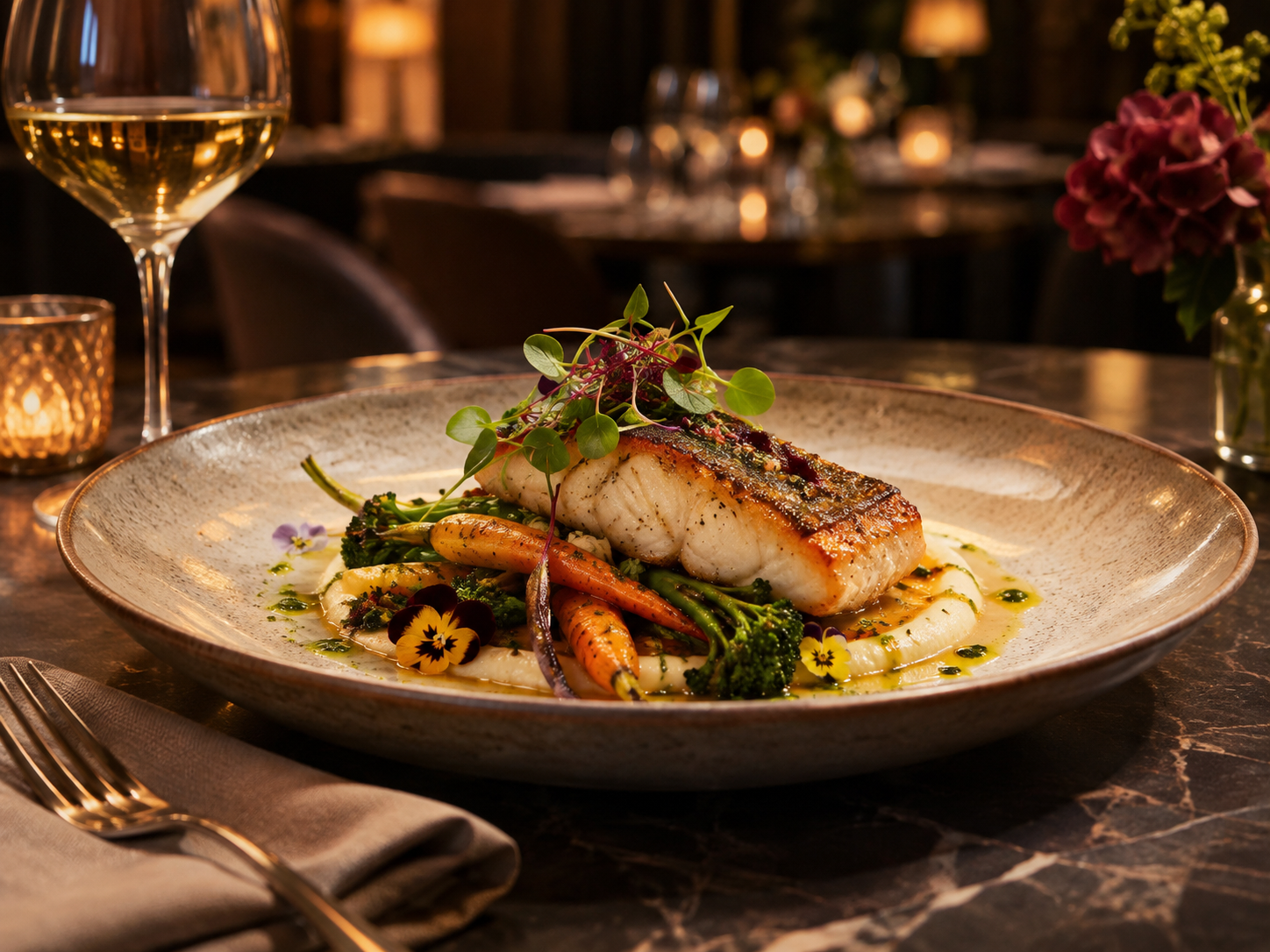
Use real dining-room images. Show the patio at the right time of day. Show a private event set before guests arrive. Show the bartender, chef, server, or owner when there is a story worth telling. Show the game-day crowd if sports are part of the brand. Marketing becomes stronger when it gives the guest a preview of the experience instead of another generic food photograph.
Consistency still wins
The restaurant industry continues to face cost pressure, uneven traffic, and guests who pay close attention to value. That makes disciplined marketing more important, not less. Restaurants that maintain accurate local search information, cultivate reviews, stay visible on social, use owned databases, and promote with a clear business objective create more opportunities to influence the guest decision.
The platforms will keep changing. The core job will not: stay visible, make the choice easy, communicate value, and give guests a reason to come back.